Picture from Pinterest
Feb 25, 2026
E-Commerce Packaging Mistakes Businesses Are Still Making (And How to Fix Them)
As online shopping grows across the UAE, delivery has become the final step of customer experience. Yet many businesses still treat packaging as an afterthought. The result is one of the most common causes of customer dissatisfaction: damaged or poorly presented deliveries.
The first mistake is incorrect box sizing. Many businesses use oversized cartons thinking it offers safety. In reality, extra empty space allows the product to move during transport. Movement creates impact damage. Customers often receive items with dents, scratches, or broken components not because of poor courier handling, but because of improper packaging design.
The second mistake is over-reliance on filler material. Excessive bubble wrap or paper stuffing increases shipping weight and cost while rarely solving the real problem. The real solution is structural packaging — inserts, partitions, and fitted compartments that hold the product firmly in place. Proper packaging stabilizes the item rather than cushioning it randomly.
Another major issue is weak outer cartons. Thin, low-quality cardboard compresses under stacking pressure during transport. Couriers handle thousands of packages daily, and stacking is unavoidable.
Picture from Pinterest
Picture from Pinterest
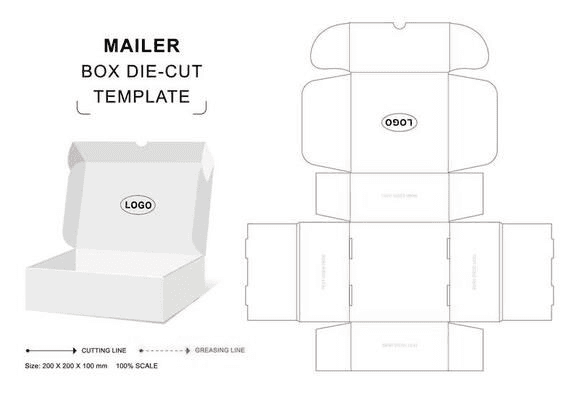
A well-designed corrugated box distributes weight and prevents collapse. Without it, even perfectly wrapped products may arrive damaged.
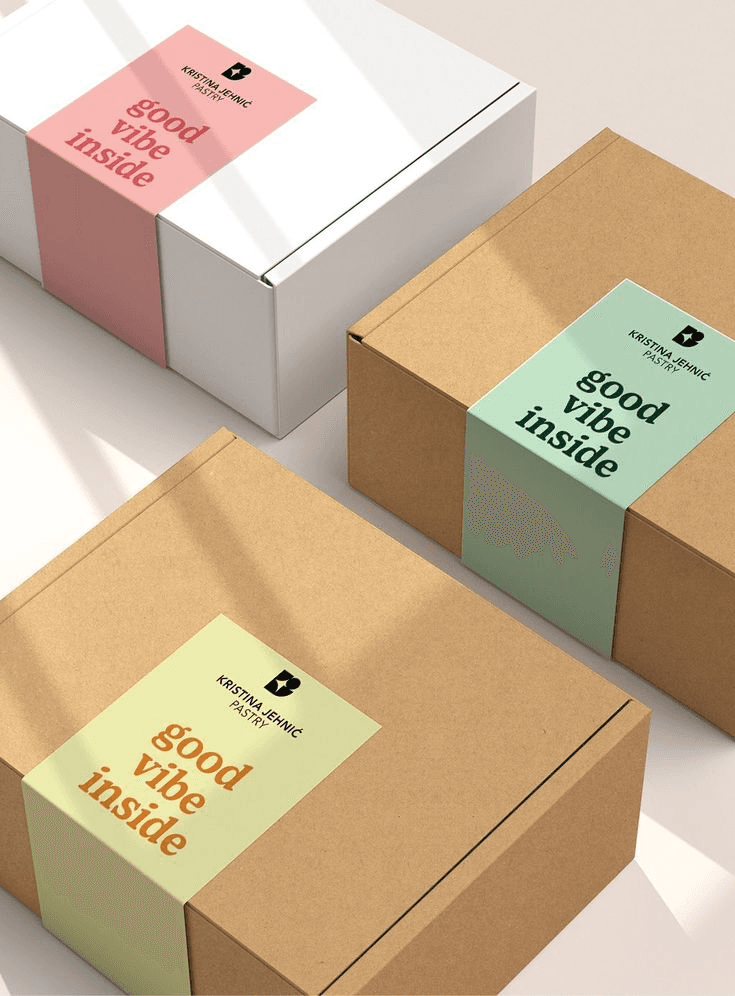
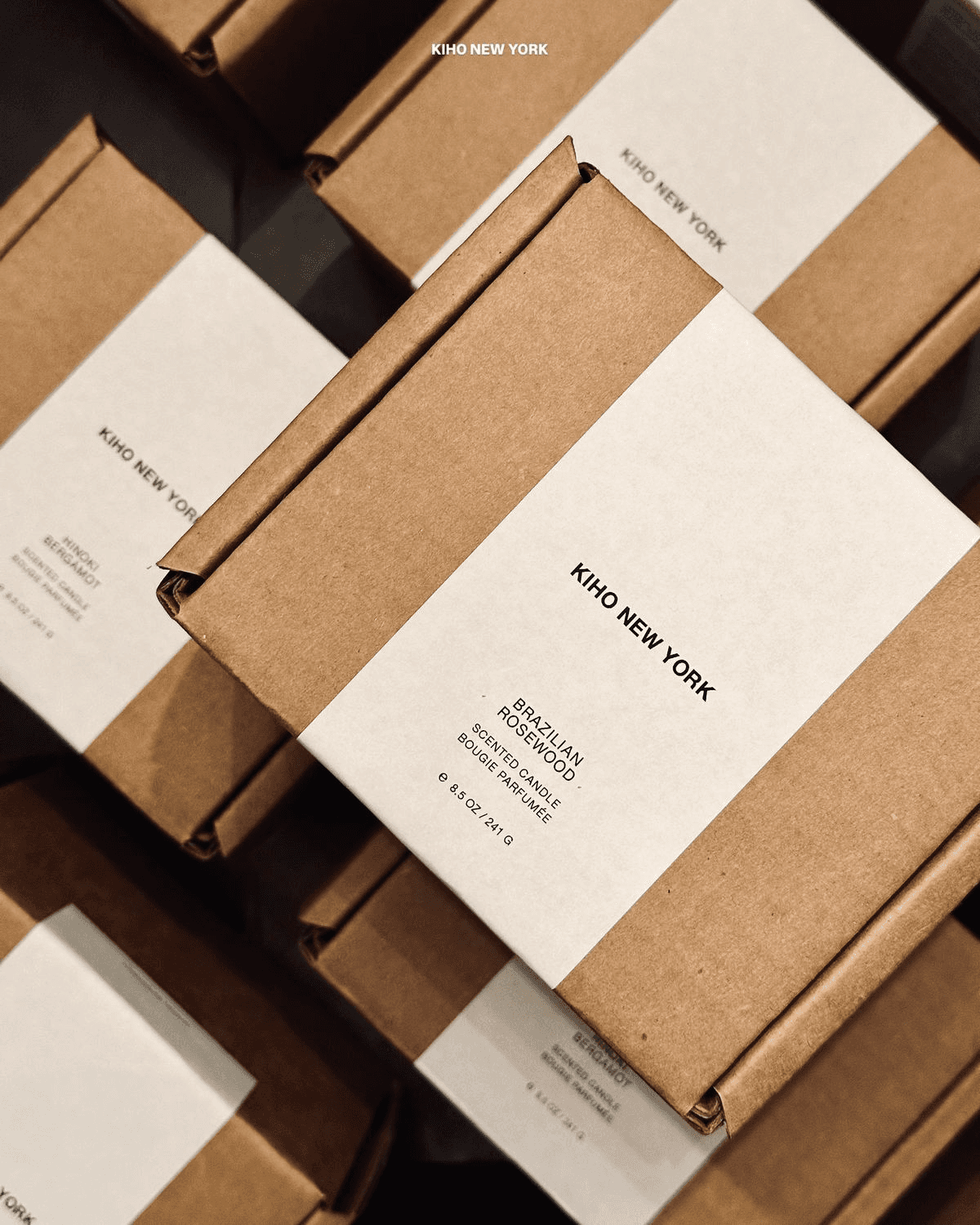
Brand presentation is the final overlooked factor. Many e-commerce businesses ship in generic cartons with no branding. This wastes a major opportunity. Delivery is often the first physical interaction with a customer. A branded mailer box immediately communicates professionalism and trustworthiness, while a plain box feels temporary and forgettable.
Proper e-commerce packaging therefore balances three functions: protection, efficiency, and branding. A good shipping box prevents movement, resists compression, and represents the brand visually. When these elements align, returns decrease and customer satisfaction rises significantly.
In e-commerce, delivery is not the end of the customer journey — it is the beginning of the next purchase decision.
More Blogs
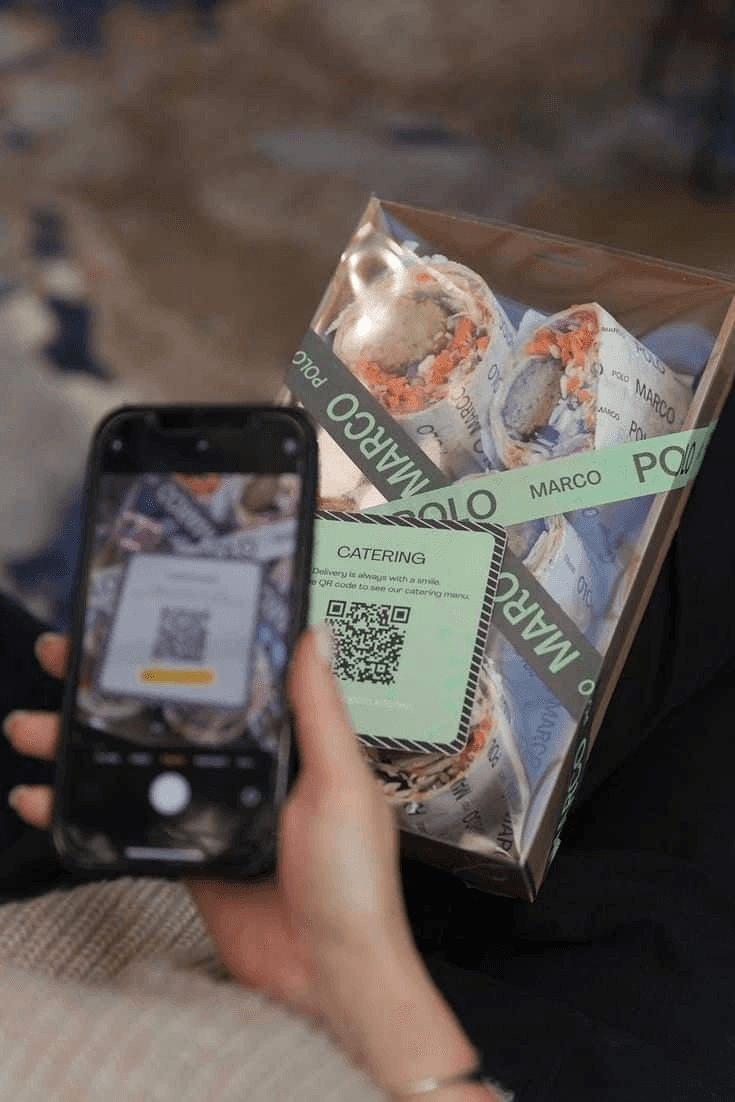
Smart Packaging Is Changing the Way Brands Connect with Customers
The packaging industry is entering a new era where technology and physical packaging are beginning to merge. Smart packaging, which integrates digital features such as QR codes, sensors, or NFC technology, is becoming one of the most exciting developments shaping the future of packaging.
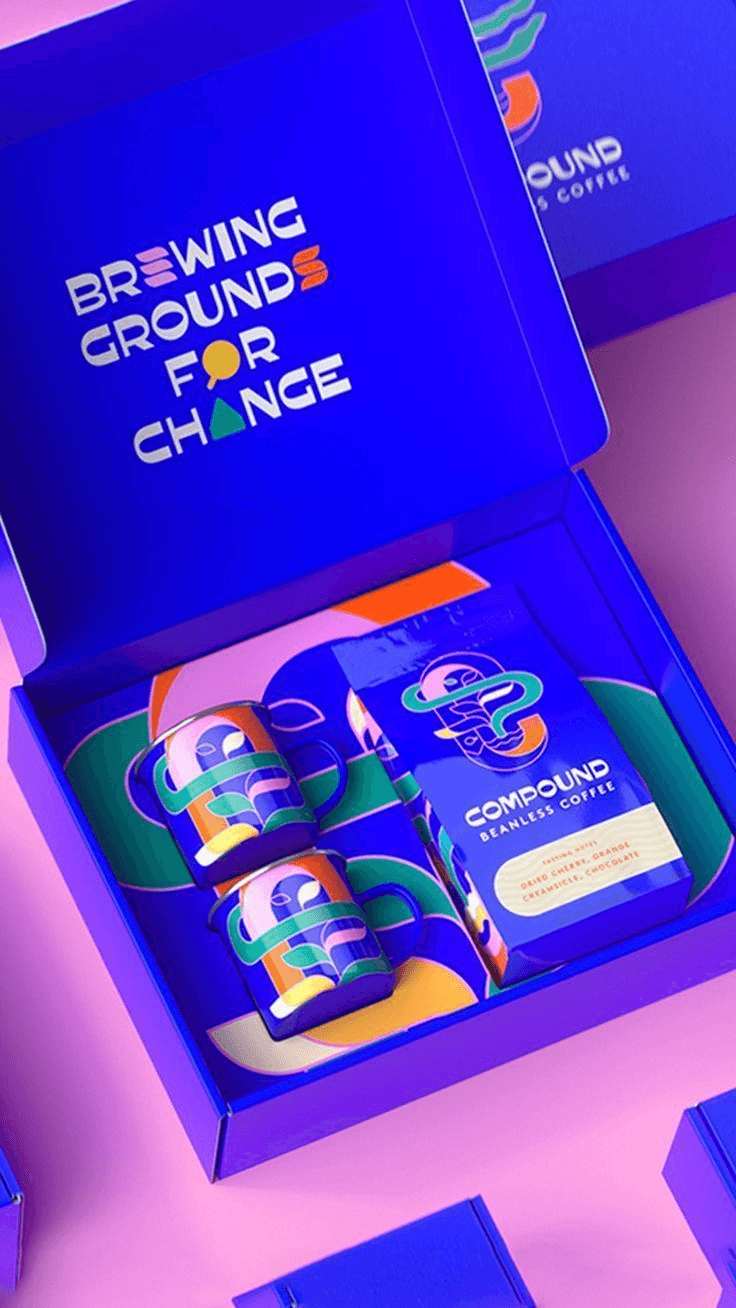
The Unboxing Economy — How Packaging Became a Marketing Tool
Packaging has evolved into one of the most powerful marketing tools available to modern brands. In the past, packaging served primarily as protection during transportation and storage. Today, however, it plays a much larger role in shaping how customers perceive products and brands.

Paper-Based Packaging Is Dominating 2026 — Here’s Why Brands Are Switching
The global packaging industry is experiencing a major shift toward paper-based materials, and 2026 is proving to be a defining year for this transition. Businesses across industries are moving away from plastic packaging and embracing recyclable cardboard and paperboard solutions that are easier to dispose of and align with sustainability expectations. Market reports released this year show that sustainability mandates and consumer demand are accelerating the adoption of paper packaging formats worldwide.