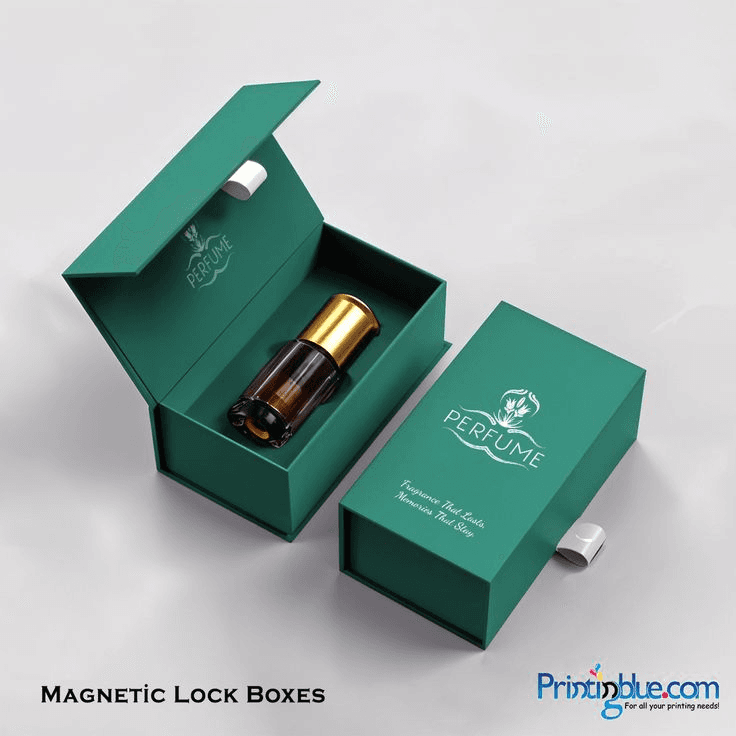
Picture from Pinterest
Jan 1, 2026
Premium Packaging & Engineered Unboxing: January’s Social Surge and Why It Matters
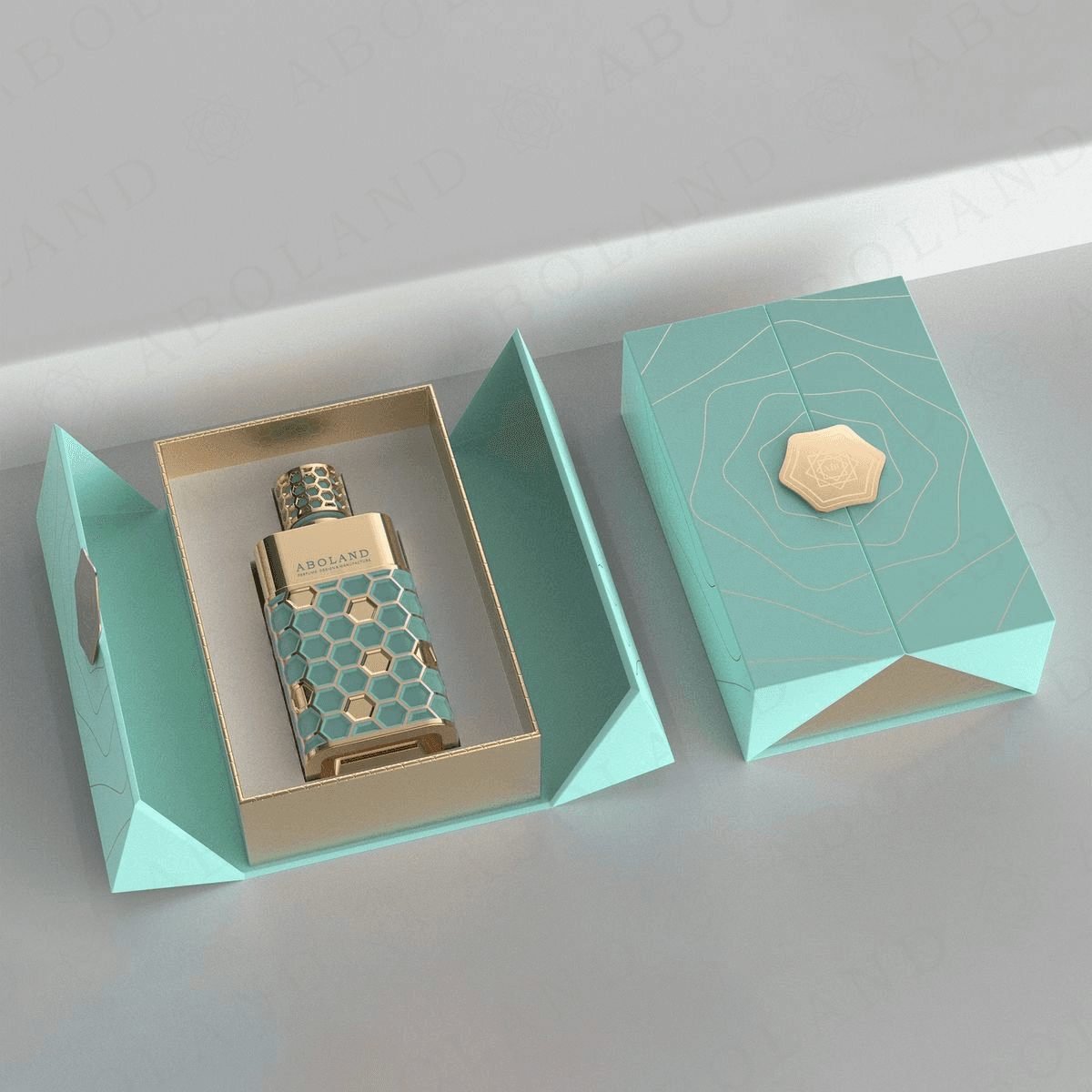
This January, social analytics and trade commentary show that premium packaging continues to act as a direct marketing channel: unboxing content that highlights tactile finishes, magnetic closures, or culturally resonant patterning generates above-average engagement and often drives immediate traffic and conversions to brand sites. In short: packaging is now part of the marketing mix. Brands that invest in a thoughtful unboxing moment — the layered reveal, the soft touch finish, a branded care card — frequently see improved perceived value and stronger repeat purchase rates. Analyst pieces and industry trend roundups this month emphasize how engineered unboxing is a measurable conversion lever for e-commerce.
Beyond simple compliance, the market signal is stronger: consumers are noticing and rewarding brands that act quickly. In practical terms that means two immediate priorities for packaging buyers. First, audit your SKUs to identify plastic components that can be replaced by mono-material paper constructions, molded-pulp inserts, or certified compostable alternatives. This reduces the risk of non-compliance and simplifies recycling at the consumer end. Second, focus on proofing and labelling: clear on-pack recycling instructions and visible sustainability credentials reduce consumer confusion and increase trust — a small design change that produces outsized perception benefits.

Picture from Pinterest
Picture from Pinterest
From an ROI perspective the right path is incremental testing. Use short, targeted runs to trial a premium finish on a best-selling SKU; measure conversion lift, average order value and user-generated content produced by customers. Where the data supports it, scale the finish across more SKUs. This staged approach controls costs while enabling you to capture the marketing upside that premium packaging delivers.
For Abdullah Amin Carton and Boxes, the commercial opportunity is clear: help customers migrate to compliant materials through low-risk pilots — one SKU, one size, sample proofs and a short run to validate aesthetics and transit performance. That pilot model reduces production risk and provides measurable KPIs (damage rate, returns, customer feedback) that justify larger conversions.
More Blogs
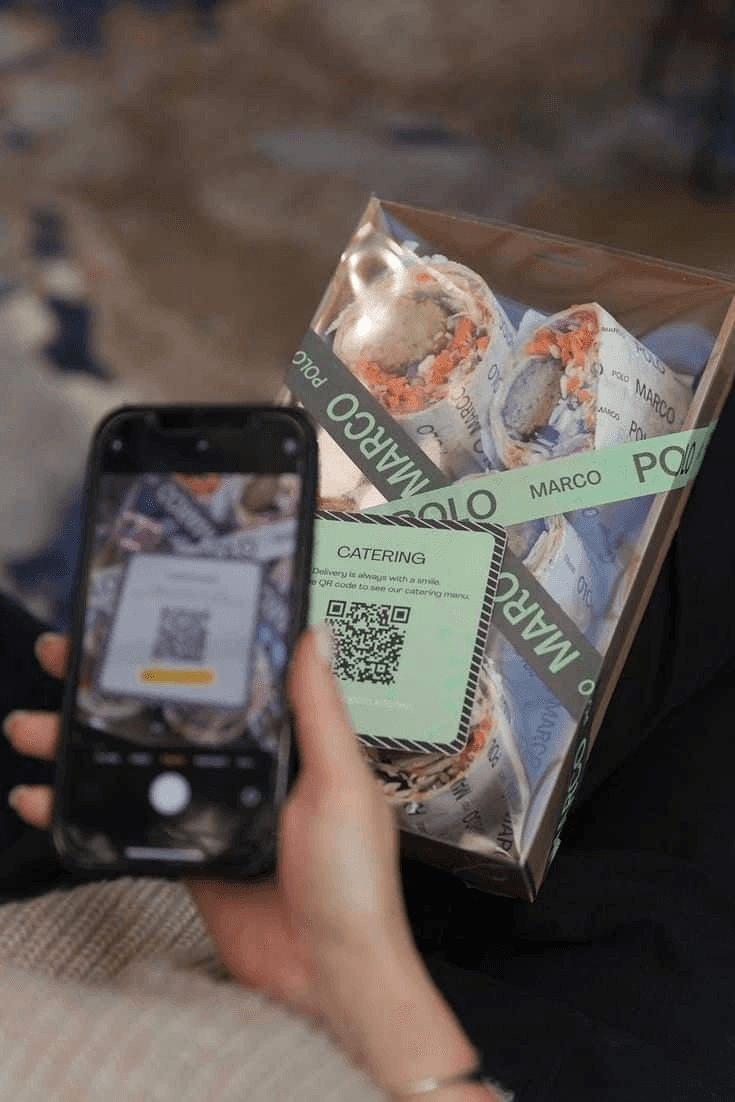
Smart Packaging Is Changing the Way Brands Connect with Customers
The packaging industry is entering a new era where technology and physical packaging are beginning to merge. Smart packaging, which integrates digital features such as QR codes, sensors, or NFC technology, is becoming one of the most exciting developments shaping the future of packaging.
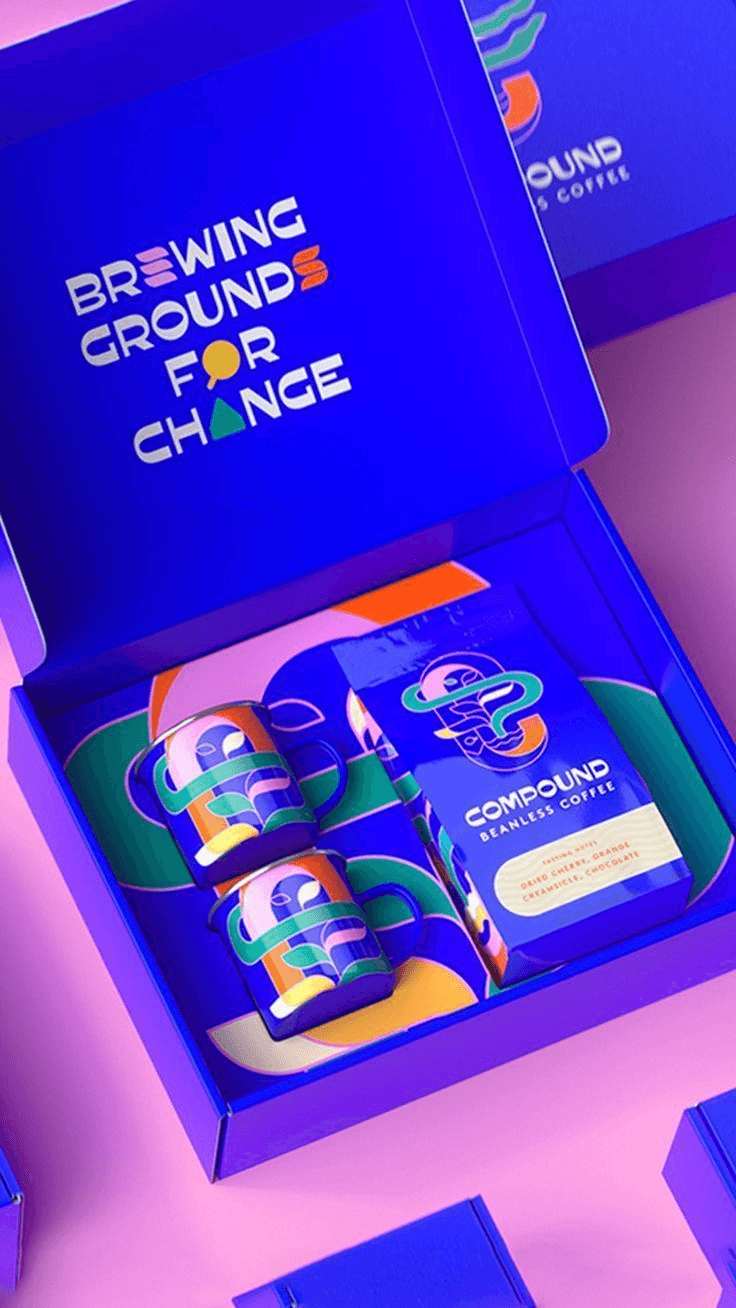
The Unboxing Economy — How Packaging Became a Marketing Tool
Packaging has evolved into one of the most powerful marketing tools available to modern brands. In the past, packaging served primarily as protection during transportation and storage. Today, however, it plays a much larger role in shaping how customers perceive products and brands.

Paper-Based Packaging Is Dominating 2026 — Here’s Why Brands Are Switching
The global packaging industry is experiencing a major shift toward paper-based materials, and 2026 is proving to be a defining year for this transition. Businesses across industries are moving away from plastic packaging and embracing recyclable cardboard and paperboard solutions that are easier to dispose of and align with sustainability expectations. Market reports released this year show that sustainability mandates and consumer demand are accelerating the adoption of paper packaging formats worldwide.