Picture from Pinterest
Dec 26, 2025
Sustainable Packaging in the UAE: The December Surge and What It Means for Brands
December closed the year with an unmistakable message: sustainability in packaging moved from aspiration to competitive necessity. Across the Gulf and globally, late-2025 coverage and market moves showed heavier investment, new extended producer responsibility rules, and stronger consumer willingness to pay for eco-labelled products. These developments accelerated purchasing decisions for retailers and D2C brands in the UAE, where customers increasingly expect recyclable, paper-based alternatives to plastic. Evidence of this shift appeared in industry summaries and market data released during December, highlighting investment in kraft and linerboard capacity and regulatory action that will shape packaging choices in 2026.
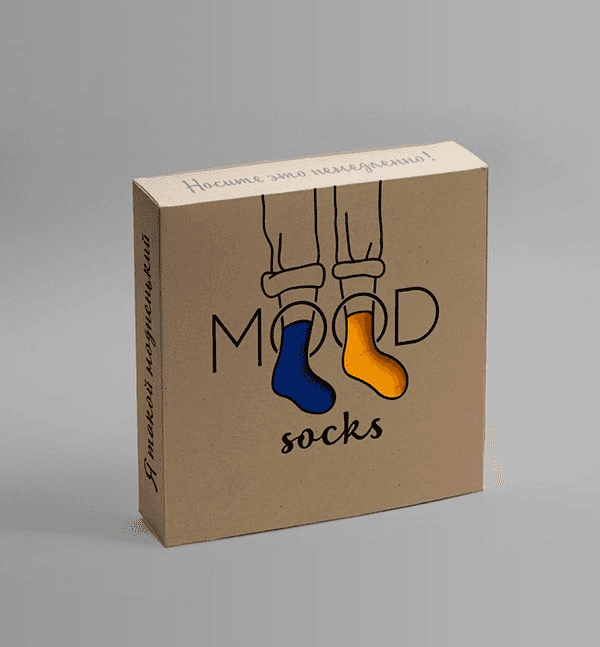
For brands, the commercial case is now as strong as the moral one. Switching to paperboard, mono-material designs and recyclable coatings reduces end-of-life complexity for consumers and improves brand perception among environmentally conscious buyers — a group shown in recent reports to be willing to pay a premium for sustainable packaging in the region. That premium, when paired with smart design that reduces weight and right-sizes packs, can produce a net business advantage: lower returns from damaged goods, improved shelf appeal, and easier compliance with upcoming EPR (extended producer responsibility) regimes.
Picture from Pinterest
Picture from Pinterest
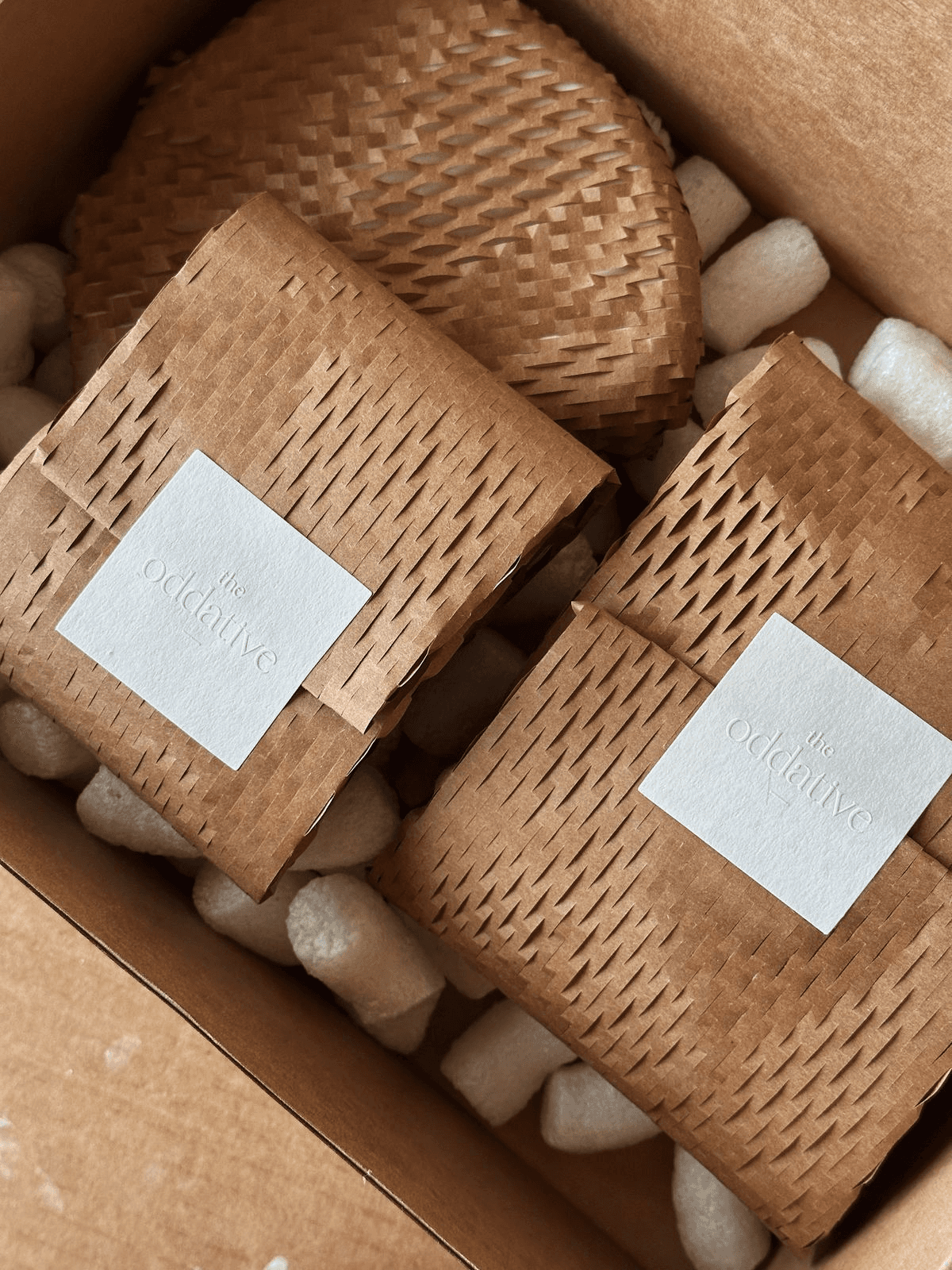
Operationally, manufacturers and brands must plan the transition in three practical phases. First, evaluate existing SKUs for quick wins: replace plastic void fill with molded pulp, move from multi-material laminates to single-substrate constructions, and right-size shipping cartons. Second, validate aesthetics and performance through proofing—today’s water-based inks and coated paperboards can deliver premium finishes without sacrificing recyclability. Third, communicate the change: clear on-pack recycling labels and short QR-linked explanations increase consumer trust and the perceived value of sustainable choices. These steps are feasible for small and large runs alike, and suppliers who can combine sustainability expertise with design execution will win the most business.
At AAC Box Works, our December consultations showed rising interest in recyclable folding cartons and molded pulp inserts—requests that stem from both retail gift brands and FMCG manufacturers preparing for 2026 product cycles. If your brand is evaluating a switch, consider a low-risk pilot: one SKU, recyclable substrate, and clear on-pack messaging. The initial investment often pays back through better shelf conversion and fewer logistics headaches related to returns and damage.
More Blogs
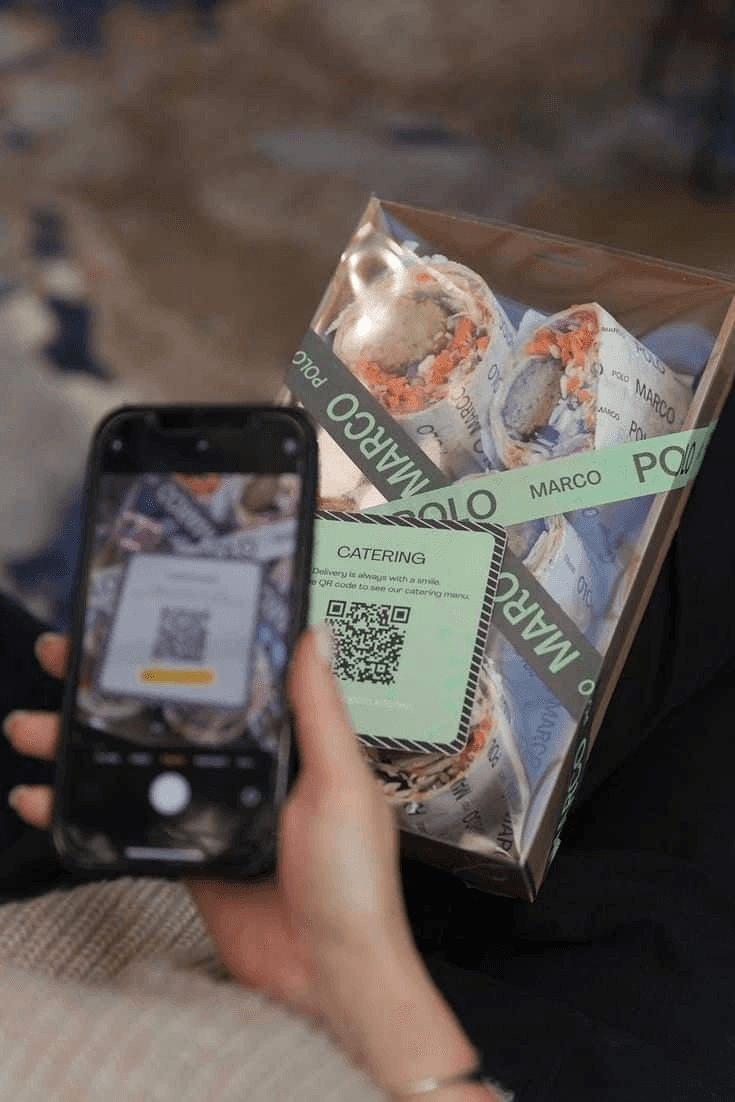
Smart Packaging Is Changing the Way Brands Connect with Customers
The packaging industry is entering a new era where technology and physical packaging are beginning to merge. Smart packaging, which integrates digital features such as QR codes, sensors, or NFC technology, is becoming one of the most exciting developments shaping the future of packaging.
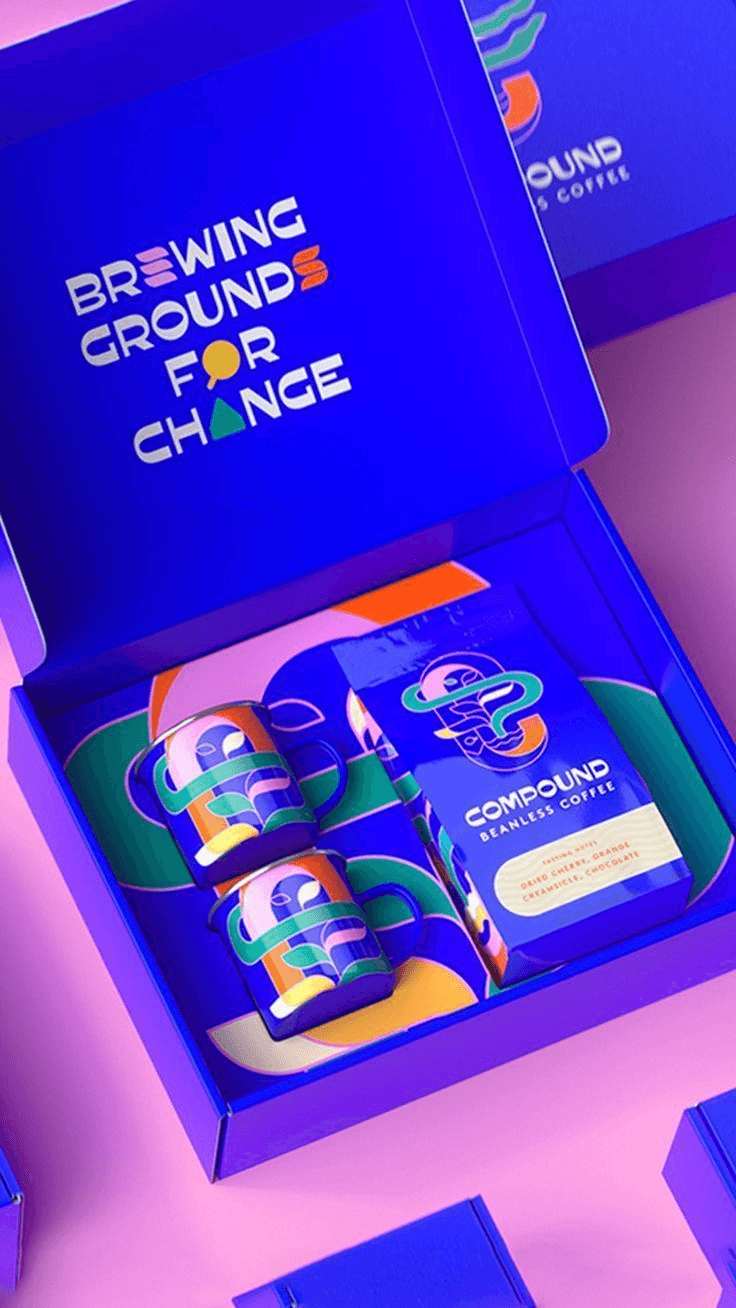
The Unboxing Economy — How Packaging Became a Marketing Tool
Packaging has evolved into one of the most powerful marketing tools available to modern brands. In the past, packaging served primarily as protection during transportation and storage. Today, however, it plays a much larger role in shaping how customers perceive products and brands.
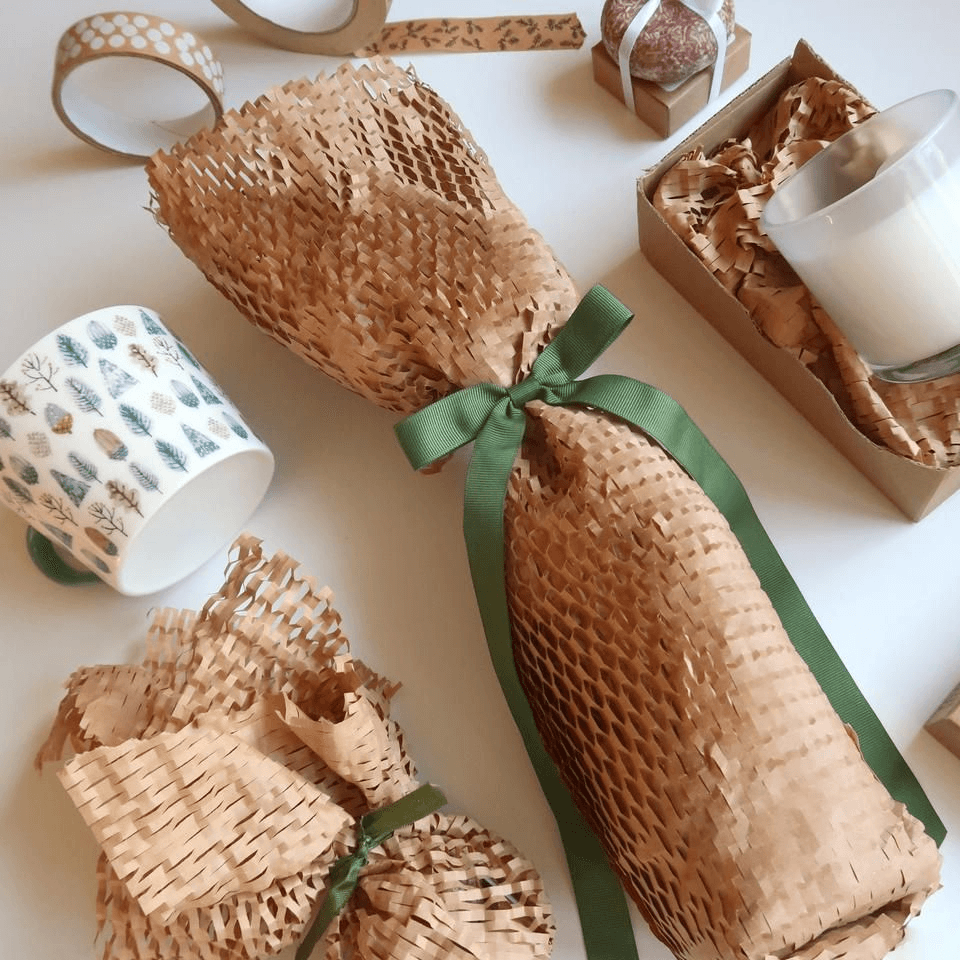
Paper-Based Packaging Is Dominating 2026 — Here’s Why Brands Are Switching
The global packaging industry is experiencing a major shift toward paper-based materials, and 2026 is proving to be a defining year for this transition. Businesses across industries are moving away from plastic packaging and embracing recyclable cardboard and paperboard solutions that are easier to dispose of and align with sustainability expectations. Market reports released this year show that sustainability mandates and consumer demand are accelerating the adoption of paper packaging formats worldwide.