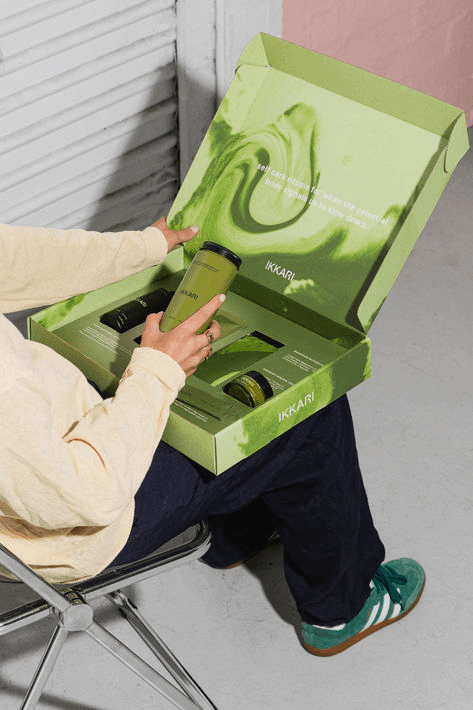
Picture from Pinterest
Nov 29, 2025
The Rise of Premium Packaging & “Unboxing” Culture in 2025
Packaging today is no longer just about protection and transport—it’s also about experience. As online shopping continues its meteoric rise, so does the importance of “unboxing.” A premium presentation can turn a simple delivery into a memorable brand moment. In 2025, brands worldwide are leveraging packaging not just as a container, but as a strategic touchpoint to build brand loyalty, encourage social sharing, and justify premium pricing.
What’s Fueling the Shift
Consumers of today, especially in markets with growing e-commerce penetration, value presentation — they expect packaging that reflects the quality of the product inside. The global packaging market continues to grow, and within it, premium and luxury packaging segments are expanding faster than ever.
Furthermore, the rise of gift-giving culture, especially around festivals, holidays, and corporate gifting, is pushing demand for attractive, high-end boxes — rigid boxes, magnetic closures, cultural design patterns, and premium finishes
Why Packaging Should Be Seen as Part of the Product Experience
When a customer opens a beautifully designed, well-crafted box, the experience adds emotional value to the product. It’s not just what’s inside that counts — what the packaging communicates about quality, care, and brand identity matters as much. For many customers, the box becomes part of the purchase value itself.
For businesses, the benefits are real: higher perceived value, enhanced brand loyalty, and increased likelihood of repeat purchase. In e-commerce especially, where the product is first experienced via packaging and delivery, the box becomes a silent brand ambassador.
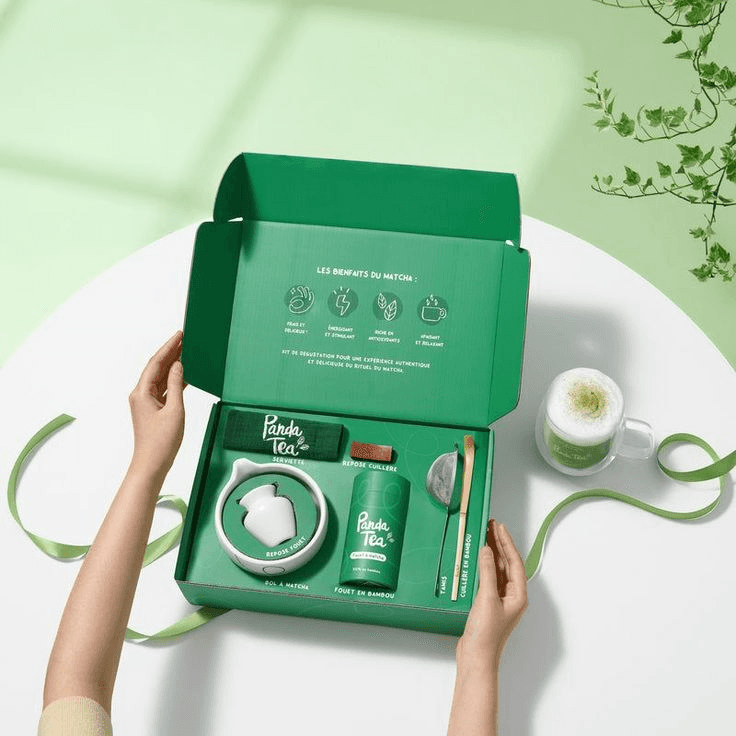
Picture from Pinterest
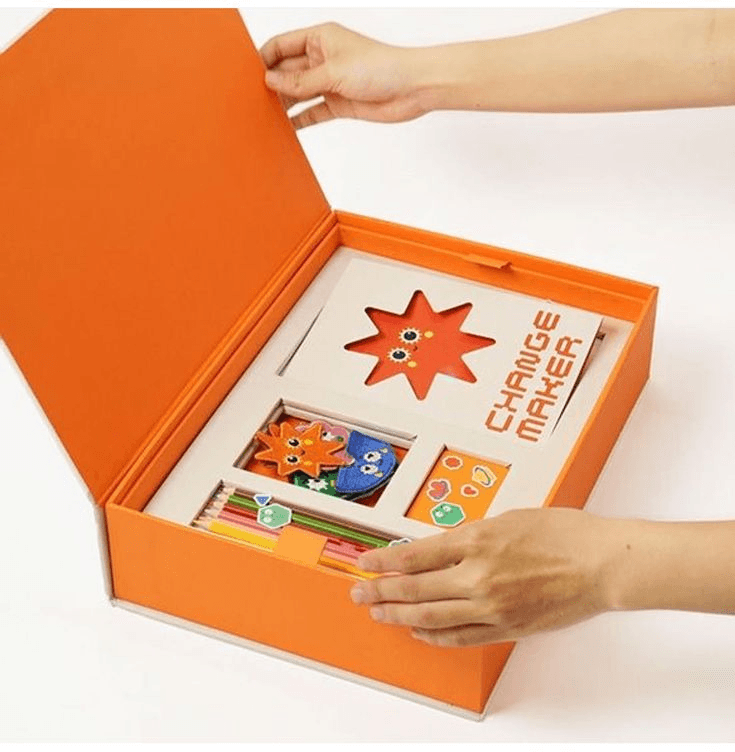
Picture from Pinterest
Custom & Premium Packaging — What to Focus On in 2025
When aiming for premium packaging, consider factors such as:
Use of premium rigid boards or luxury paperboard rather than standard corrugated cardboard.
Elegant finishes — matte lamination, soft-touch coatings, foil printing or embossing — that give a tactile, luxurious feel.
Thoughtful closures and inserts — magnetic closures, ribbon pulls, shaped inserts — that make opening and storing the product easy and enjoyable.
Cultural or design-oriented artwork — for regional markets, adding motifs or designs that resonate locally (for example, patterns inspired by regional art or festive themes).
Option for custom sizing & printing — to match product dimensions and avoid excessive packaging waste.
How AAC Box Works Can Help Brands Deliver Luxury Packaging
At AAC Box Works, we specialize in premium rigid boxes, custom-sized packaging, and finishing options that deliver both utility and luxury. Whether a brand is launching a high-end product range or preparing seasonal gift sets — we design packaging that enhances the unboxing experience and strengthens brand identity.
More Blogs
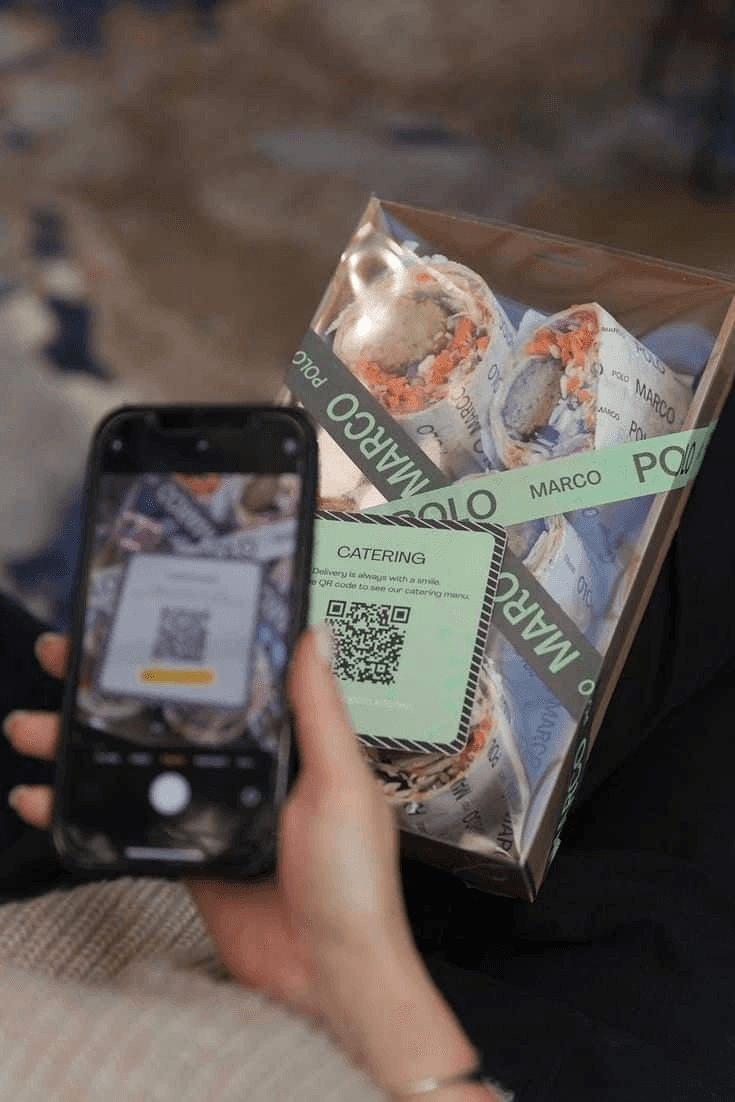
Smart Packaging Is Changing the Way Brands Connect with Customers
The packaging industry is entering a new era where technology and physical packaging are beginning to merge. Smart packaging, which integrates digital features such as QR codes, sensors, or NFC technology, is becoming one of the most exciting developments shaping the future of packaging.
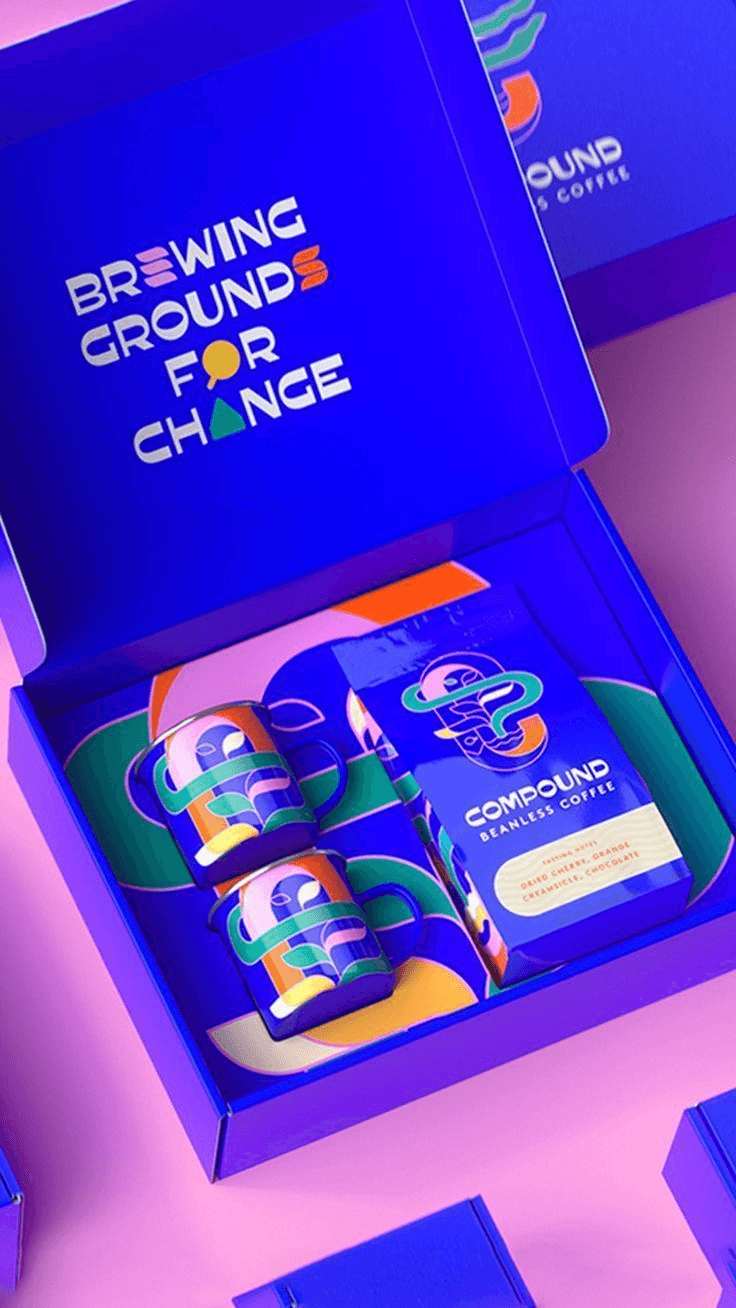
The Unboxing Economy — How Packaging Became a Marketing Tool
Packaging has evolved into one of the most powerful marketing tools available to modern brands. In the past, packaging served primarily as protection during transportation and storage. Today, however, it plays a much larger role in shaping how customers perceive products and brands.
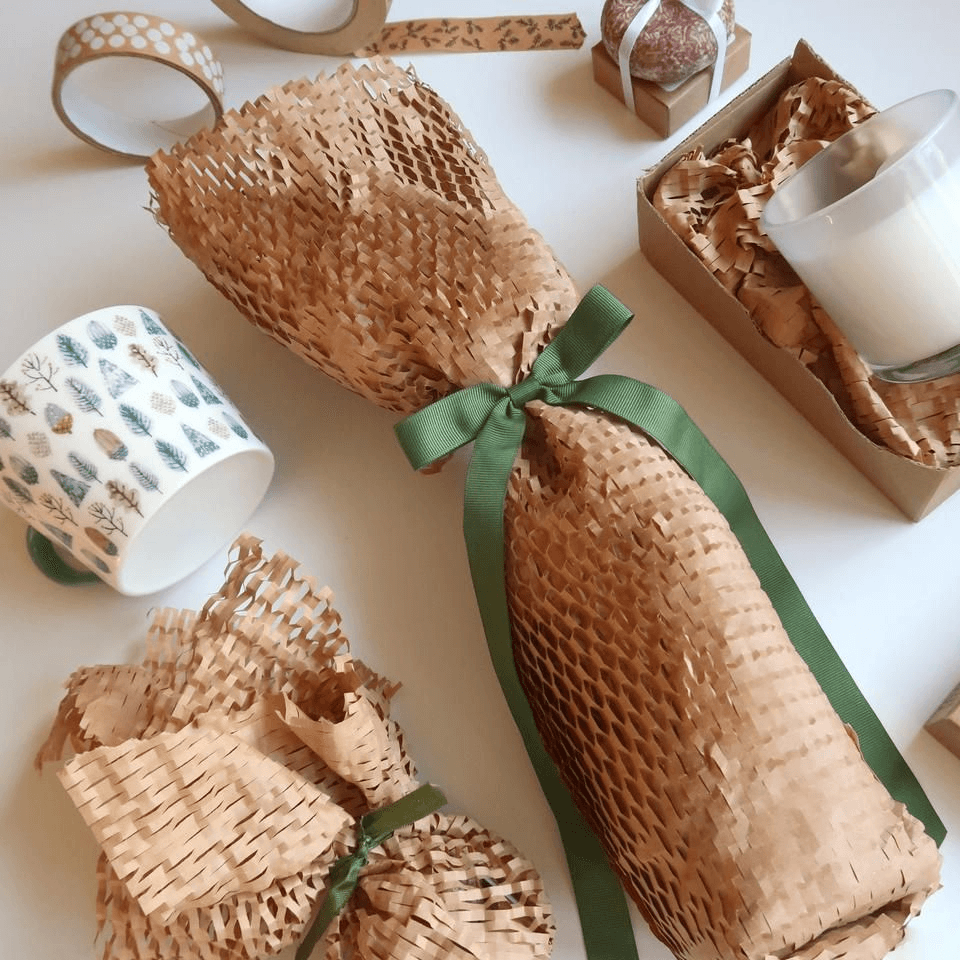
Paper-Based Packaging Is Dominating 2026 — Here’s Why Brands Are Switching
The global packaging industry is experiencing a major shift toward paper-based materials, and 2026 is proving to be a defining year for this transition. Businesses across industries are moving away from plastic packaging and embracing recyclable cardboard and paperboard solutions that are easier to dispose of and align with sustainability expectations. Market reports released this year show that sustainability mandates and consumer demand are accelerating the adoption of paper packaging formats worldwide.