Picture from Pinterest
Jan 1, 2026
UAE’s New Plastics Rules: What Packaging Buyers Must Do Now
At the start of 2026 the UAE expanded its single-use plastics ban to include cups, lids, cutlery, food containers and other familiar items — a legal shift that creates immediate downstream effects across retail, hospitality and packaging supply chains. For brands and product owners in the UAE, this regulatory change means rethinking materials and fast-tracking alternatives that are both compliant and consumer-friendly. Several industry notices this month make it clear: plant-based alternatives like PLA are acknowledged as valid options in many cases, but the broader business implication is that brands should no longer assume plastic is the default.
Beyond simple compliance, the market signal is stronger: consumers are noticing and rewarding brands that act quickly. In practical terms that means two immediate priorities for packaging buyers. First, audit your SKUs to identify plastic components that can be replaced by mono-material paper constructions, molded-pulp inserts, or certified compostable alternatives. This reduces the risk of non-compliance and simplifies recycling at the consumer end. Second, focus on proofing and labelling: clear on-pack recycling instructions and visible sustainability credentials reduce consumer confusion and increase trust — a small design change that produces outsized perception benefits.
Picture from Pinterest

Picture from Pinterest
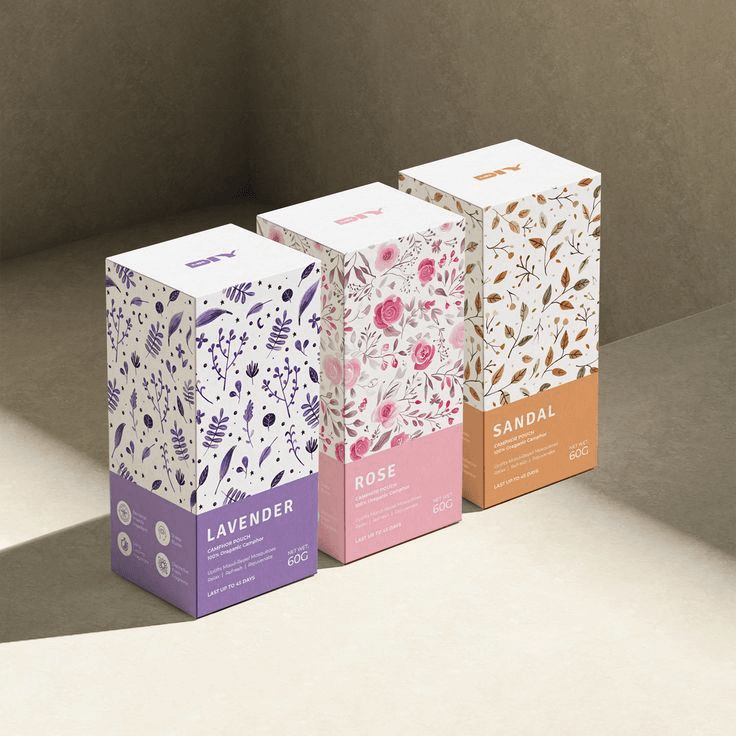
Operationally, switching materials need not mean compromising presentation. Modern paperboards, water-based inks and recyclable coatings allow premium finishes while remaining recyclable or compostable. Logistics teams should also right-size outer cartons and reduce void fill to lower shipping costs and lifecycle impact; these are design choices that both satisfy regulation and improve margins. Trade and market reports this month highlight these materials and design strategies as practical responses to the new rules.
For Abdullah Amin Carton and Boxes, the commercial opportunity is clear: help customers migrate to compliant materials through low-risk pilots — one SKU, one size, sample proofs and a short run to validate aesthetics and transit performance. That pilot model reduces production risk and provides measurable KPIs (damage rate, returns, customer feedback) that justify larger conversions.
More Blogs
Smart Packaging Is Changing the Way Brands Connect with Customers
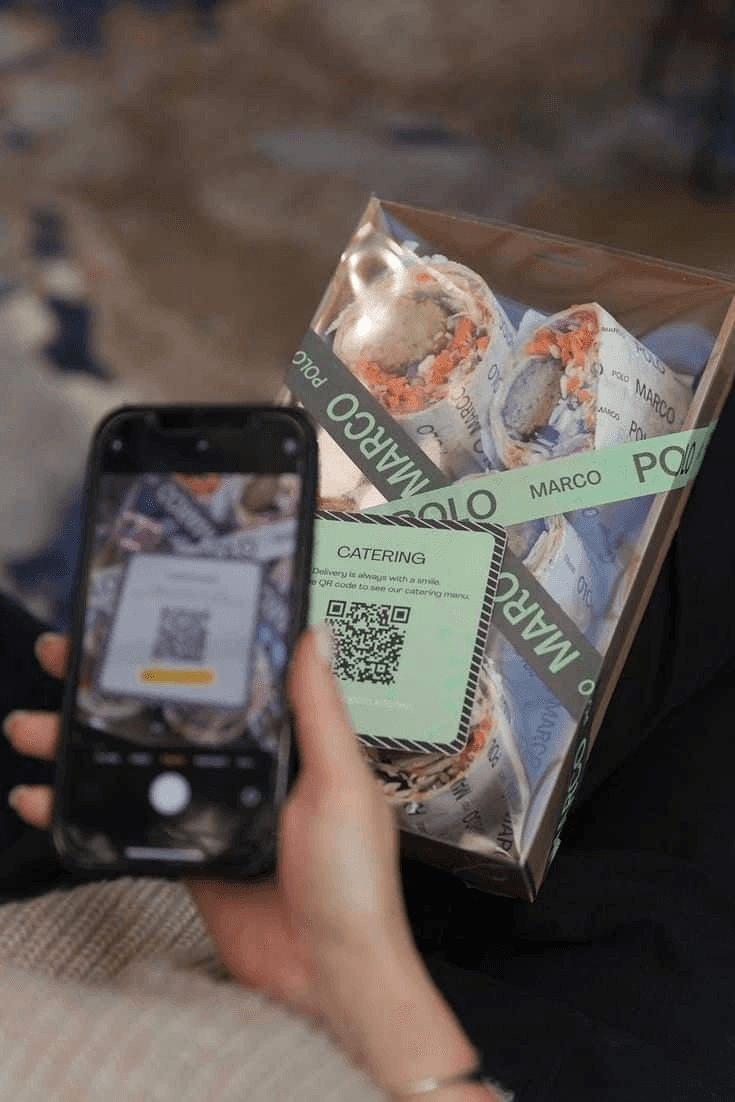
The packaging industry is entering a new era where technology and physical packaging are beginning to merge. Smart packaging, which integrates digital features such as QR codes, sensors, or NFC technology, is becoming one of the most exciting developments shaping the future of packaging.
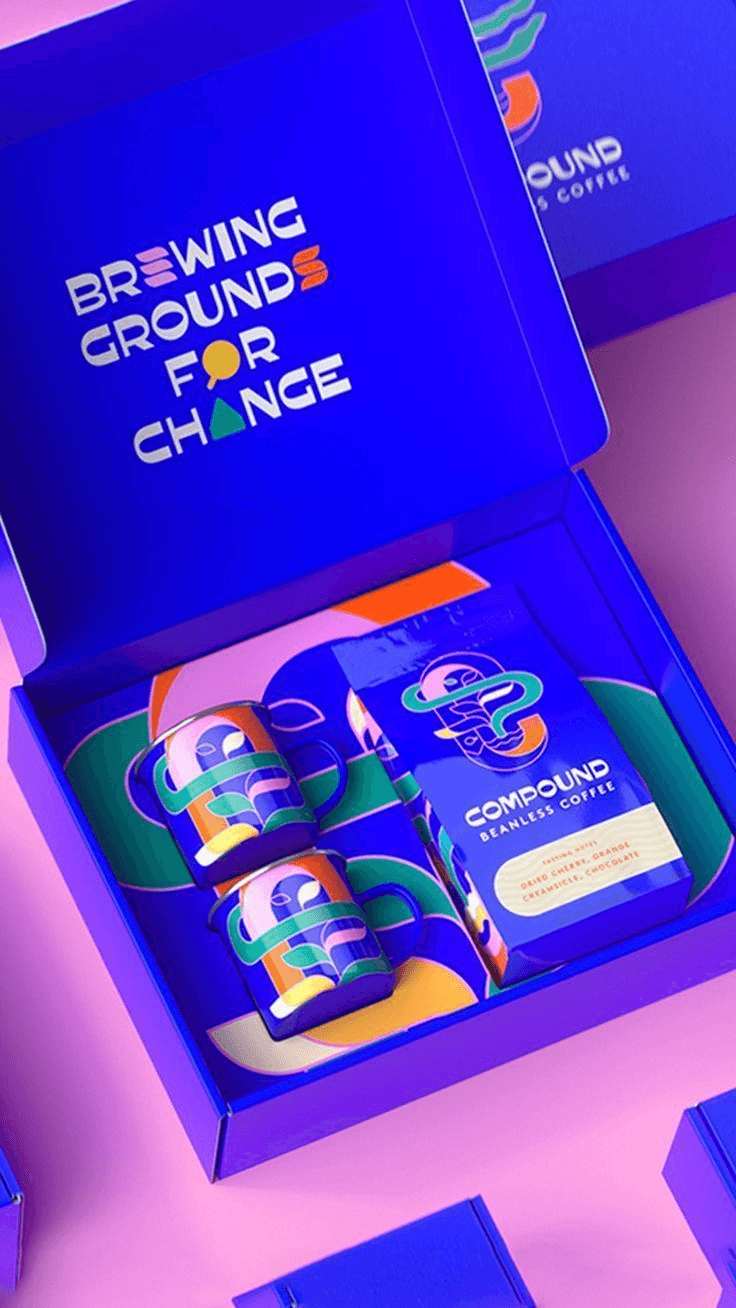
The Unboxing Economy — How Packaging Became a Marketing Tool
Packaging has evolved into one of the most powerful marketing tools available to modern brands. In the past, packaging served primarily as protection during transportation and storage. Today, however, it plays a much larger role in shaping how customers perceive products and brands.

Paper-Based Packaging Is Dominating 2026 — Here’s Why Brands Are Switching
The global packaging industry is experiencing a major shift toward paper-based materials, and 2026 is proving to be a defining year for this transition. Businesses across industries are moving away from plastic packaging and embracing recyclable cardboard and paperboard solutions that are easier to dispose of and align with sustainability expectations. Market reports released this year show that sustainability mandates and consumer demand are accelerating the adoption of paper packaging formats worldwide.