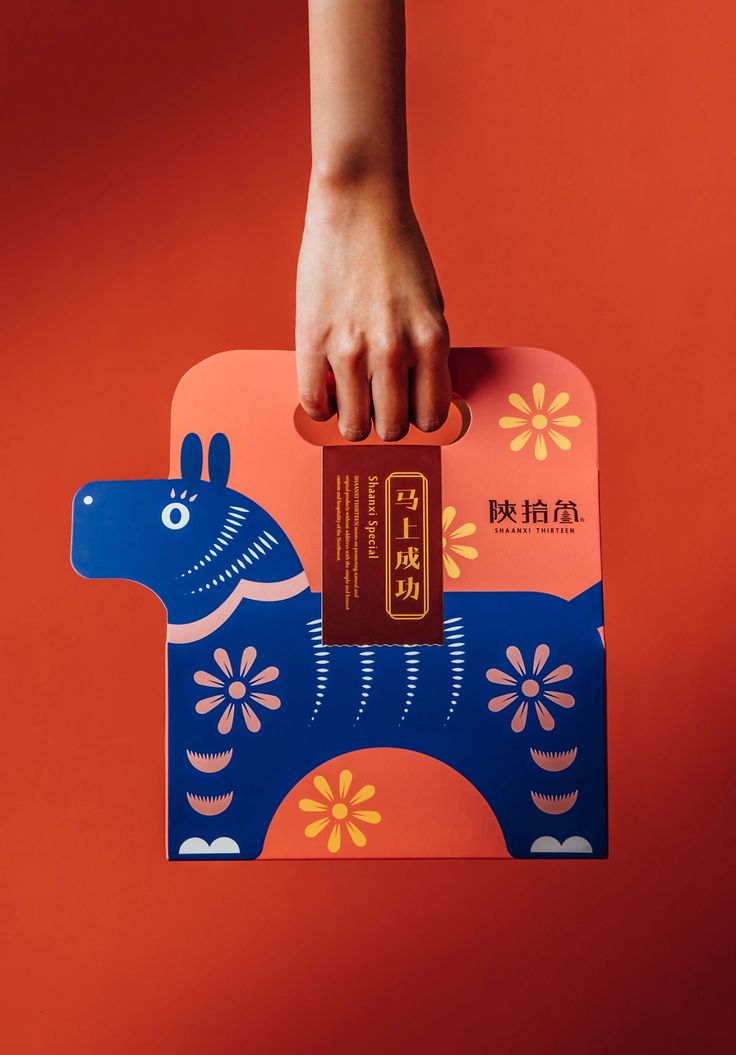
Picture from : Pinterest
Sep 25, 2025
What is the difference between packing and packaging?
The terms packing and packaging are often used interchangeably, but they are not the same. Both play important roles in product protection and presentation, yet they serve different purposes in the supply chain. Let’s break down the difference.
What is Packing?
Packing refers to the process of enclosing products for storage, handling, and transportation. Its primary goal is safety and protection.
Examples of Packing:
Wrapping glassware with bubble wrap
Placing clothes in a carton for shipping
Sealing items in corrugated boxes
Simply put, packing focuses on keeping the product safe during transit and storage.

Picture from : Pinterest
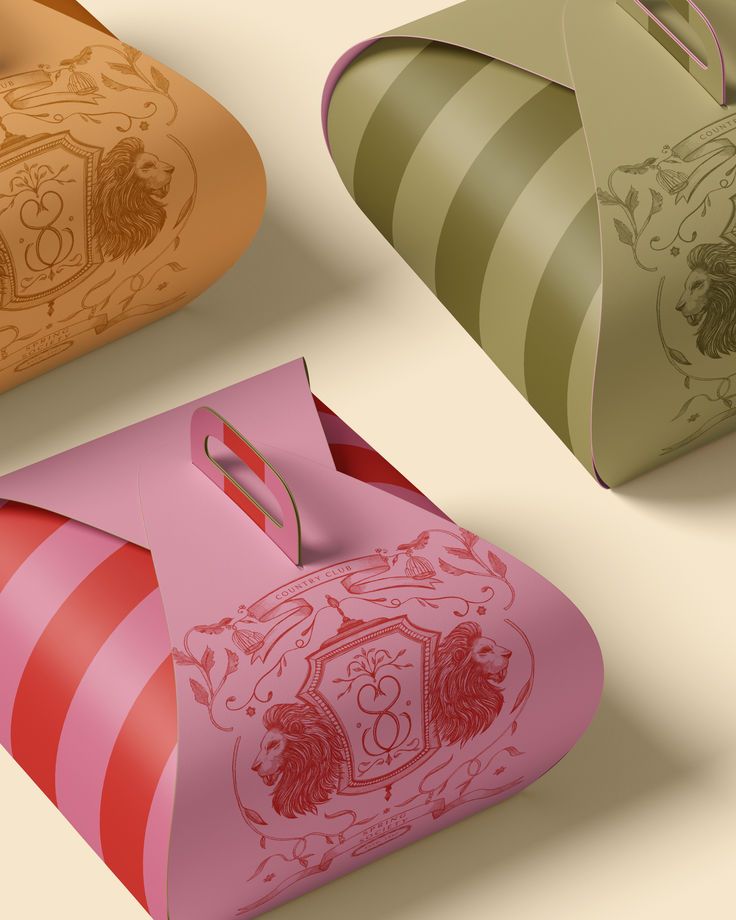
Picture from : Pinterest
What is Packaging?
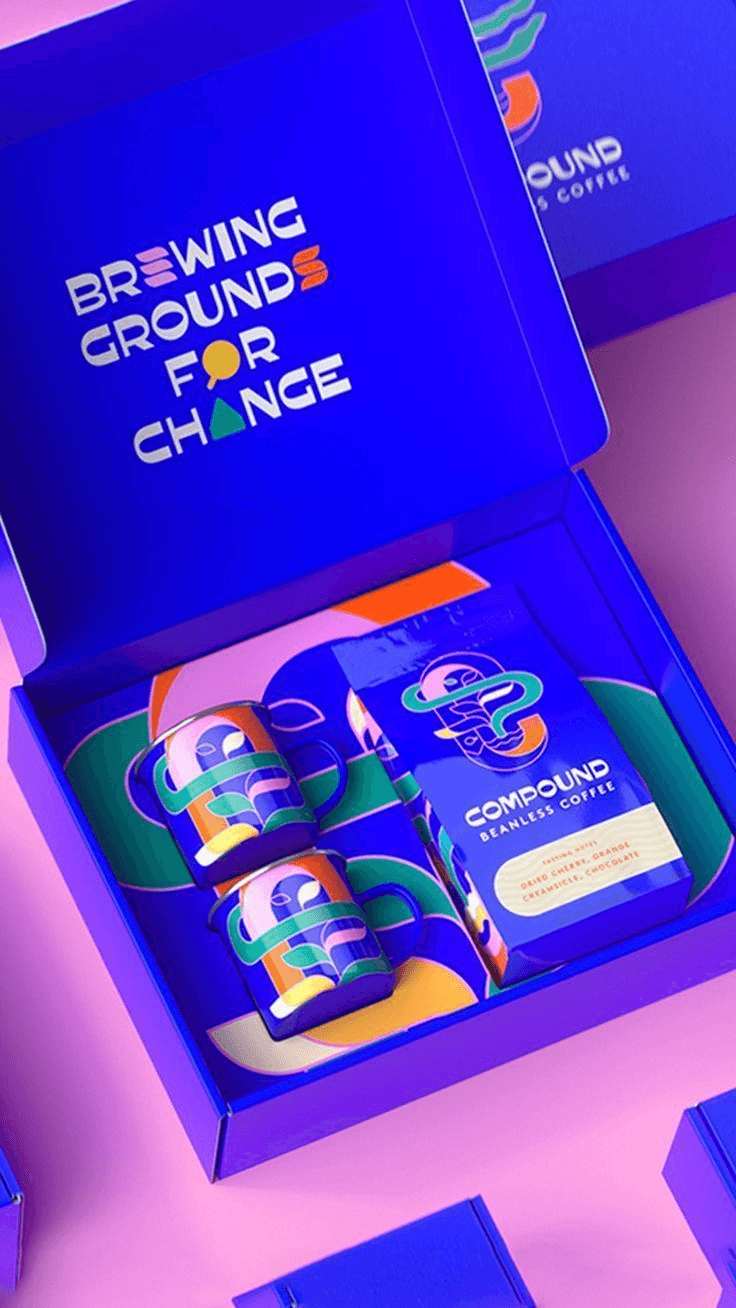
Packaging goes beyond protection—it’s about design, branding, and consumer appeal. Packaging is the outer covering that communicates with the buyer while still protecting the product.
Examples of Packaging:
A toothpaste tube with branding and product details
A chocolate wrapper with attractive design
A cosmetic box displaying logos and labels
Packaging serves both functional and marketing purposes, making the product more appealing to customers.
Aspect | Packing | Packaging |
|---|---|---|
Purpose | Safety, storage, transport | Branding, marketing, consumer appeal |
Focus | Protection | Presentation + Protection |
Examples | Cartons, bubble wrap, pallets | Product boxes, labels, branded wrappers |
End User | Warehouse, logistics | Customers/consumers |
More Blogs
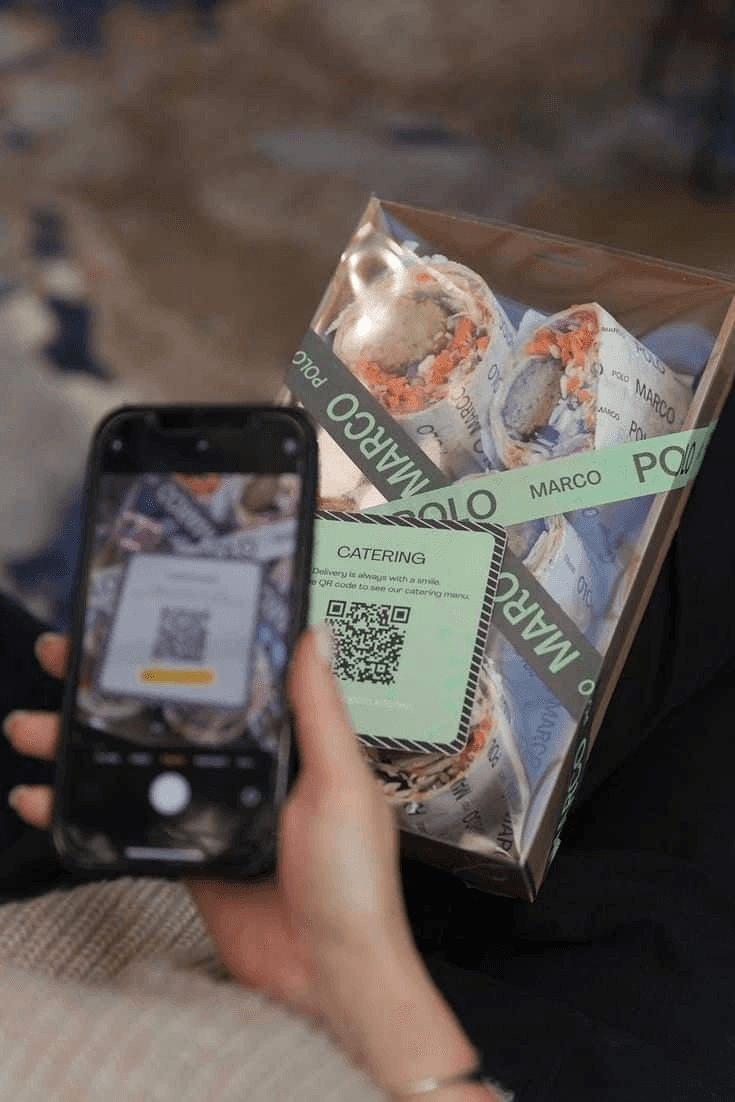
Smart Packaging Is Changing the Way Brands Connect with Customers
The packaging industry is entering a new era where technology and physical packaging are beginning to merge. Smart packaging, which integrates digital features such as QR codes, sensors, or NFC technology, is becoming one of the most exciting developments shaping the future of packaging.
The Unboxing Economy — How Packaging Became a Marketing Tool
Packaging has evolved into one of the most powerful marketing tools available to modern brands. In the past, packaging served primarily as protection during transportation and storage. Today, however, it plays a much larger role in shaping how customers perceive products and brands.

Paper-Based Packaging Is Dominating 2026 — Here’s Why Brands Are Switching
The global packaging industry is experiencing a major shift toward paper-based materials, and 2026 is proving to be a defining year for this transition. Businesses across industries are moving away from plastic packaging and embracing recyclable cardboard and paperboard solutions that are easier to dispose of and align with sustainability expectations. Market reports released this year show that sustainability mandates and consumer demand are accelerating the adoption of paper packaging formats worldwide.