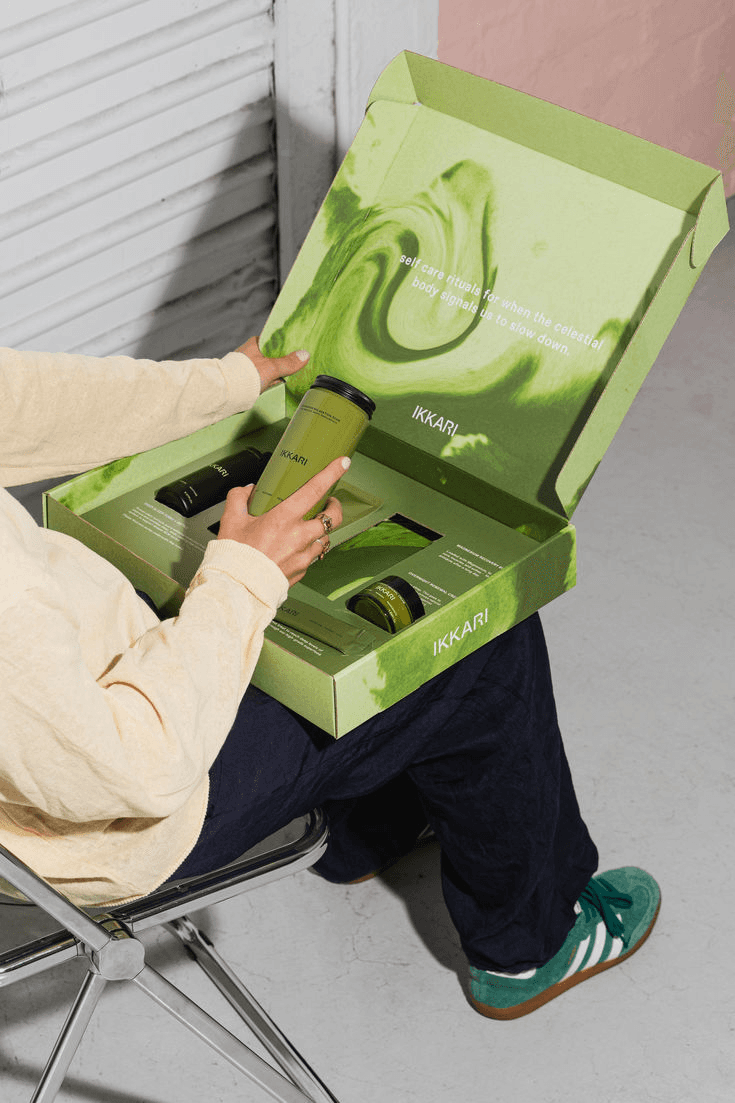
Picture from Pinterest
Feb 25, 2026
The Psychology Behind Premium Packaging — Why Customers Pay More
Many businesses believe customers only care about price. In reality, customers care about perceived value. And packaging is one of the strongest drivers of that perception.
Imagine receiving a watch inside a plastic pouch compared to receiving it inside a rigid magnetic closure box lined with velvet. The product is the same — but the experience is entirely different. The second feels valuable, gift-worthy, and trustworthy. The first feels disposable. This reaction is not accidental; it is psychological.
Human perception associates weight, texture, and visual detail with quality. When a customer holds a thick rigid box, opens a magnetic lid, or feels a soft-touch matte surface, the brain interprets these sensory cues as indicators of product worth. The packaging tells the customer what to expect before they even see the item.
For retail brands, this matters enormously. Premium packaging allows businesses to position products in a higher price category without changing the product itself. A perfume, jewellery piece, or gift item presented in a luxury box is perceived as a premium purchase. Customers are more comfortable paying higher prices because the packaging justifies the value.
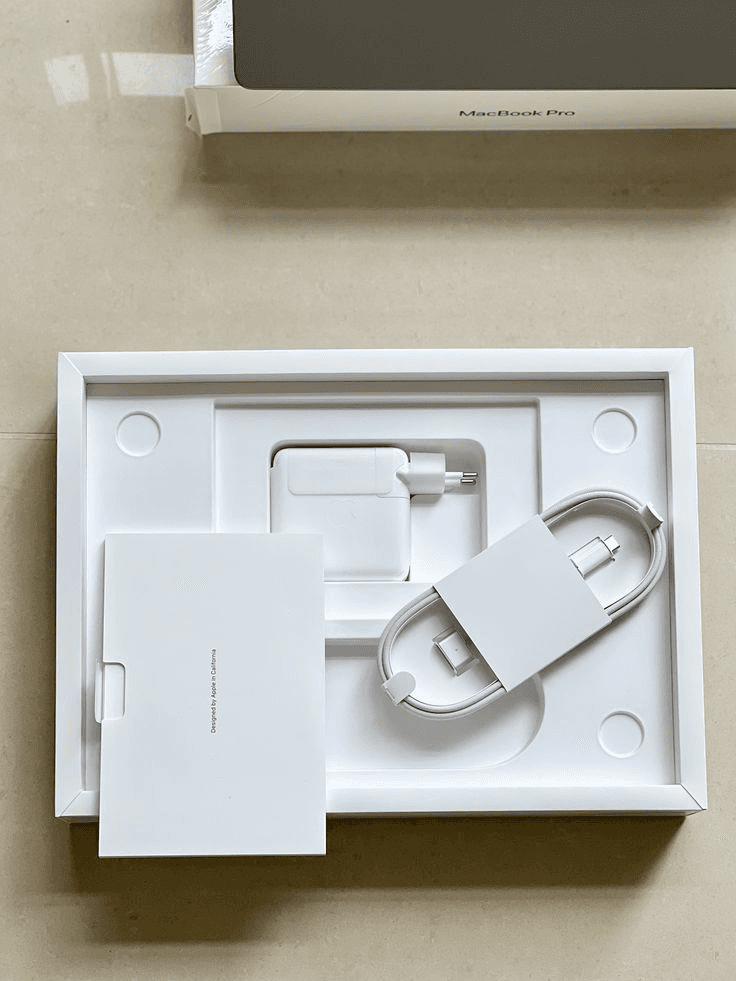
Picture from Pinterest
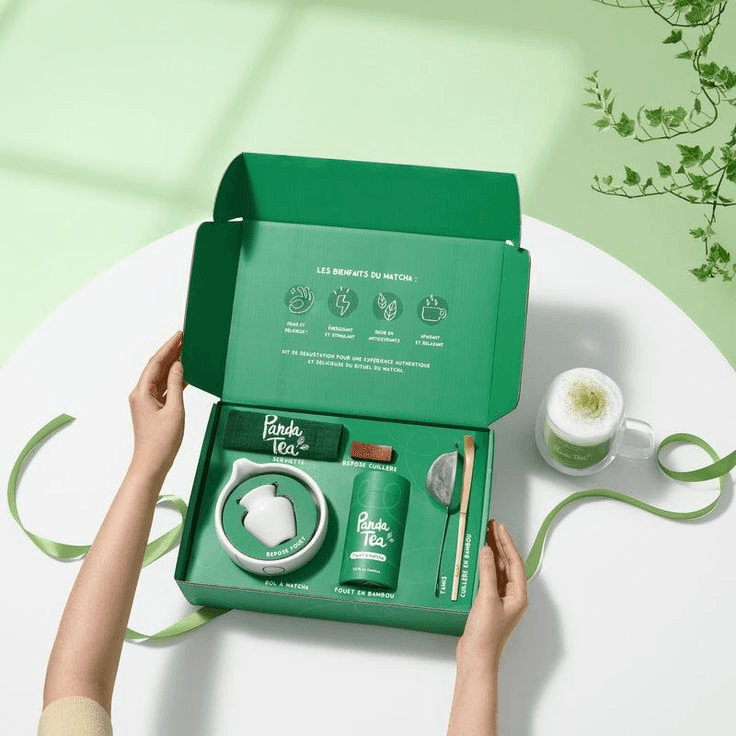
Picture from Pinterest
This is why many successful brands invest in rigid boxes, embossed logos, foil stamping, and structured inserts. These features do not merely protect the product — they communicate exclusivity. Even simple elements such as magnetic closures or ribbon pulls create anticipation. The opening process becomes an experience rather than a task.
Premium packaging also impacts gifting behavior. Buyers want gifts that feel impressive. A beautifully designed box reduces the need for additional wrapping and makes the purchase “ready to present.” In GCC markets, where gifting culture is strong, this factor significantly influences purchasing decisions.
From a business perspective, premium packaging also reduces marketing pressure. When customers are impressed by presentation, they naturally recommend the product to others. Word-of-mouth referrals often come from emotional reactions, and packaging frequently creates that emotion.
More Blogs
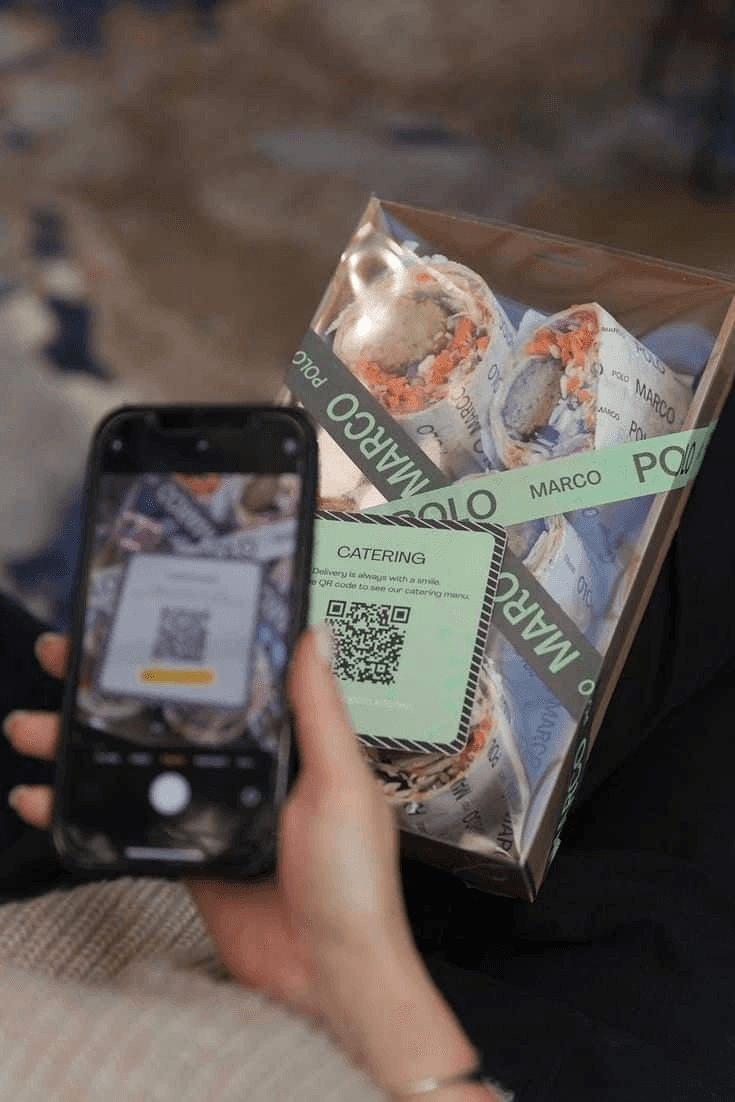
Smart Packaging Is Changing the Way Brands Connect with Customers
The packaging industry is entering a new era where technology and physical packaging are beginning to merge. Smart packaging, which integrates digital features such as QR codes, sensors, or NFC technology, is becoming one of the most exciting developments shaping the future of packaging.
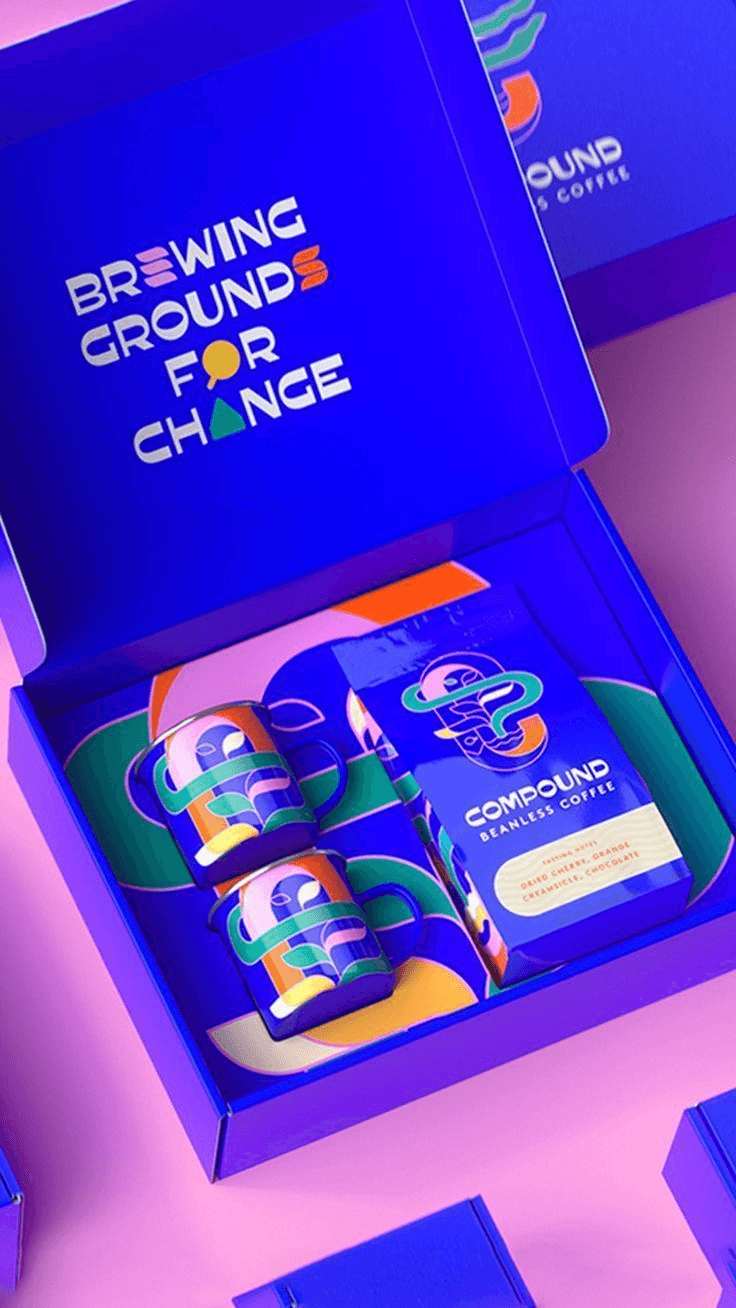
The Unboxing Economy — How Packaging Became a Marketing Tool
Packaging has evolved into one of the most powerful marketing tools available to modern brands. In the past, packaging served primarily as protection during transportation and storage. Today, however, it plays a much larger role in shaping how customers perceive products and brands.
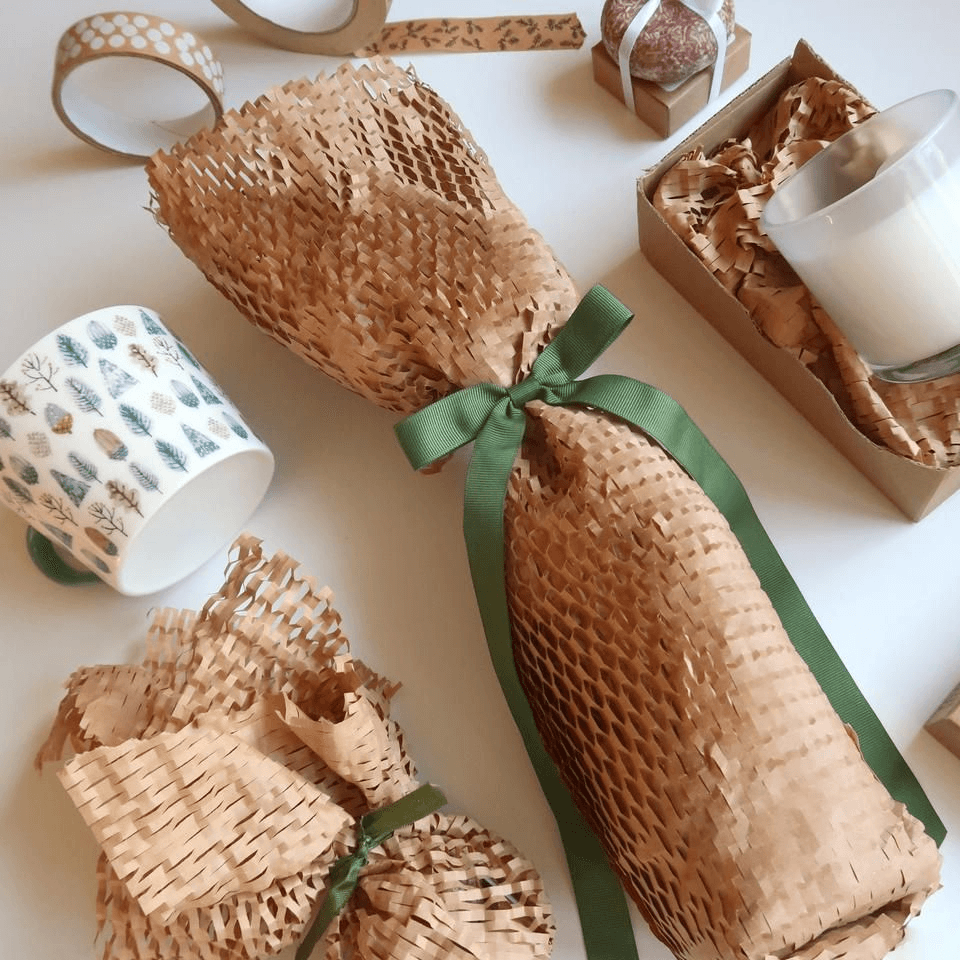
Paper-Based Packaging Is Dominating 2026 — Here’s Why Brands Are Switching
The global packaging industry is experiencing a major shift toward paper-based materials, and 2026 is proving to be a defining year for this transition. Businesses across industries are moving away from plastic packaging and embracing recyclable cardboard and paperboard solutions that are easier to dispose of and align with sustainability expectations. Market reports released this year show that sustainability mandates and consumer demand are accelerating the adoption of paper packaging formats worldwide.